
Is Your Warming Tray Safe for Babies? Why the Material Actually Matters
The question of whether a warming tray is safe for babies rarely appears in product listings. Temperature ranges are stated. Wattage is declared. The word “safe” appears in marketing copy without definition — a claim with no referent, serving reassurance rather than information.
What almost no listing addresses is what the heating surface is made from, what happens to that material under sustained heat, and whether any of it matters when the bowl resting on it contains food for an infant. For most hosting products, this is a secondary concern. For a warming tray used to heat baby food alongside adult mains — the specific use case the TFK Signature Tray was designed to accommodate — material composition is the primary specification. Everything else in the design follows from it.

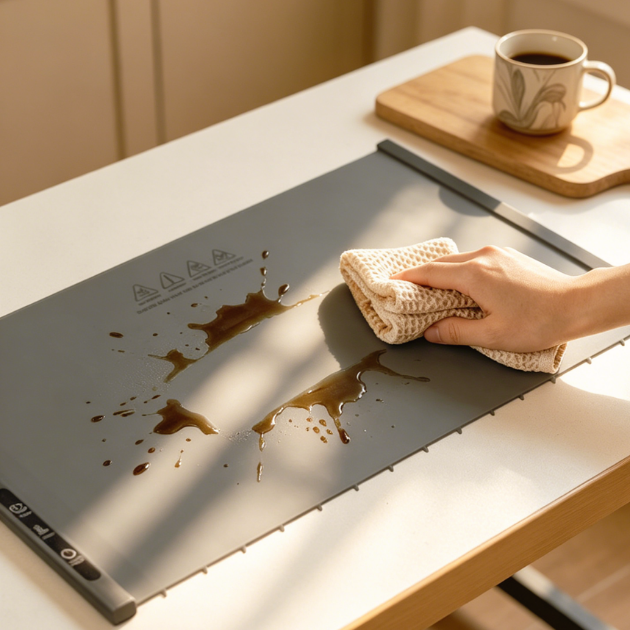
Understanding temperature safety
Why the Material Change Matters More Than the Temperature Setting
Food-grade silicone is an inert polymer. It does not react with food. It does not degrade at food-warming temperatures. It carries no porous structure into which bacteria or food residue can migrate. These are the properties that make it the standard material for infant feeding equipment — bottle nipples, pacifiers, food storage pouches — and they apply equally to a warming surface.
The TFK Signature Tray uses food-grade silicone throughout the heating surface. It remains chemically stable well above its maximum operating temperature of 80°C. It wipes clean with a damp cloth. It requires no specialist cleaning agents and retains no odours or flavours from previous use. These are not competitive advantages over other warming tray brands — they are properties of the material, available to any manufacturer who chooses it.
Choosing a foldable warming tray BPA free is not an act of premium consumption. It is the correct reading of what a warming surface that contacts food should be made of.
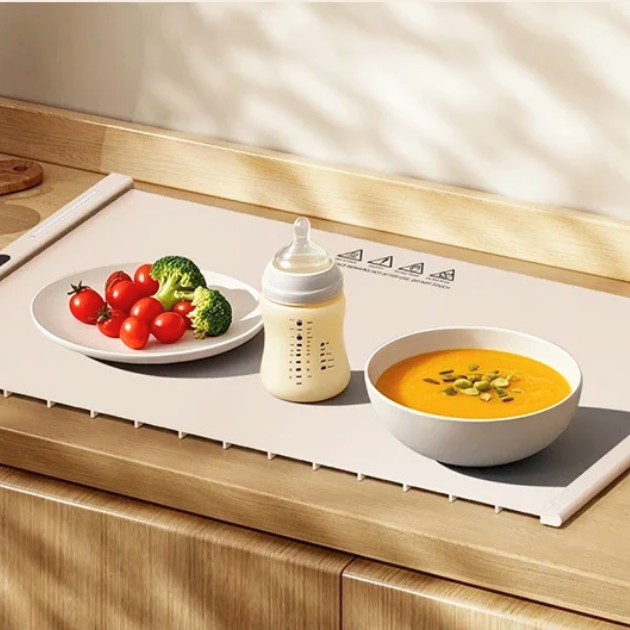
Understanding BPA
What BPA Is and Why It Appears Here
Bisphenol A is a synthetic compound used in polycarbonate plastics and epoxy resins. Its relevance to food safety is straightforward: under conditions of heat and repeated use, it can migrate from a surface into food. European food contact material regulation — specifically EU Regulation 10/2011 — sets migration limits for plastic materials in contact with food. What that regulation does not extend to, and what therefore falls to the product designer to address, is the material composition of tabletop appliances used in proximity to food.
When a warming tray at a budget price point is subjected to sustained heat, the plastic components in its construction — adhesives, housings, coatings not specified as food-grade — can degrade over time. The concern is not theoretical. It is the same concern that leads parents to verify the origin of every ingredient while remaining, often unknowingly, indifferent to the surface those ingredients rest on.
A foldable warming tray BPA free in its structural composition is not a premium specification. It is the correct baseline. The industry has simply not treated it as such.
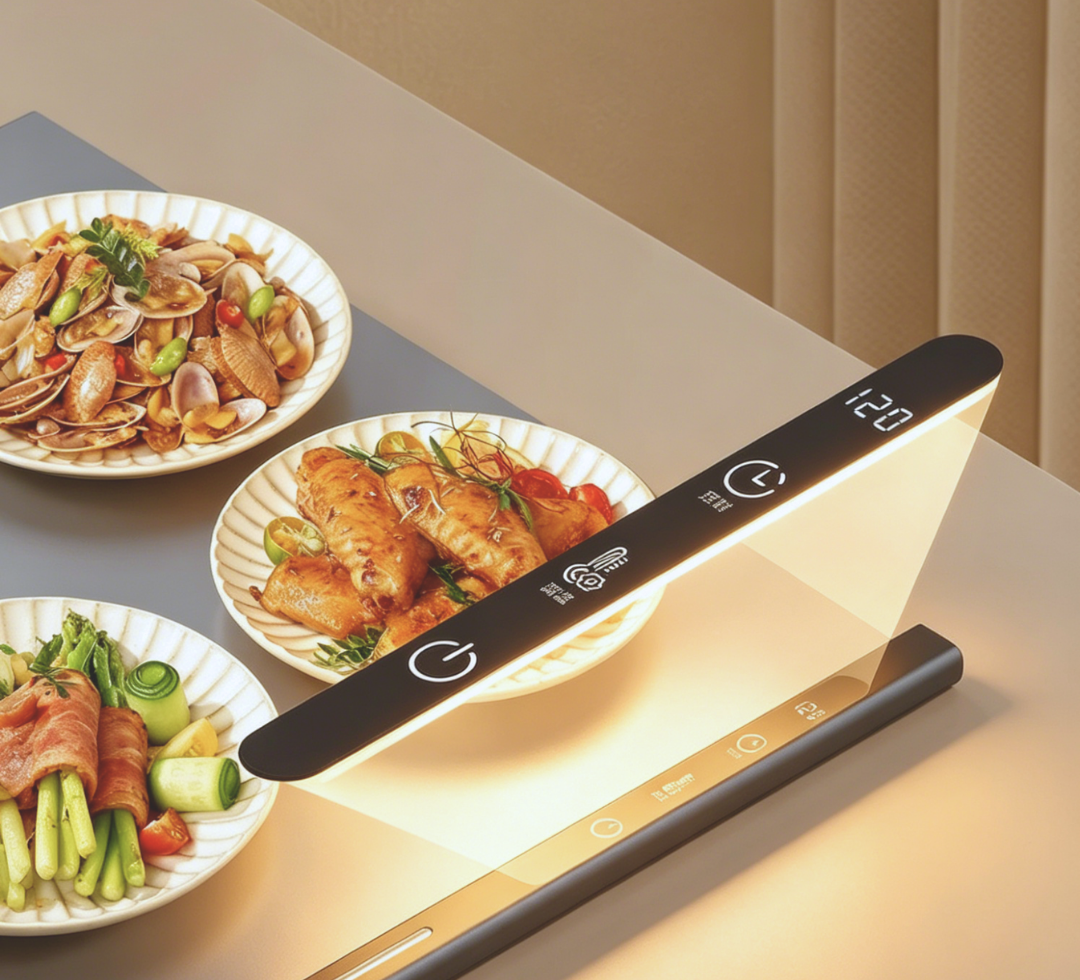
Understanding BPA
The 40°C Setting and What It Was Calibrated For
There is a specific kind of attention that comes with preparing food for a child who cannot yet tell you whether something is too hot. You test it — the back of the wrist, the inside of the elbow — and still feel uncertain. The temperature stakes are asymmetric: slightly too cool is acceptable; slightly too hot is not. What this means in practice is that parents using a warming tray safe for babies are not optimising for convenience. They are trying to eliminate a variable they cannot directly observe. Uniform heat across the full surface is not a feature in that context. It is the point.
The TFK tray’s lowest setting holds at 40°C across the entire silicone surface. There are no heating coils concentrated at a central point. The element runs across the full surface area — which is the construction decision that addresses the asymmetry. For a host using the same warming tray safe for babies at 40°C and for adult pasta at 60°C simultaneously, this uniformity is the functional requirement that everything else depends on.
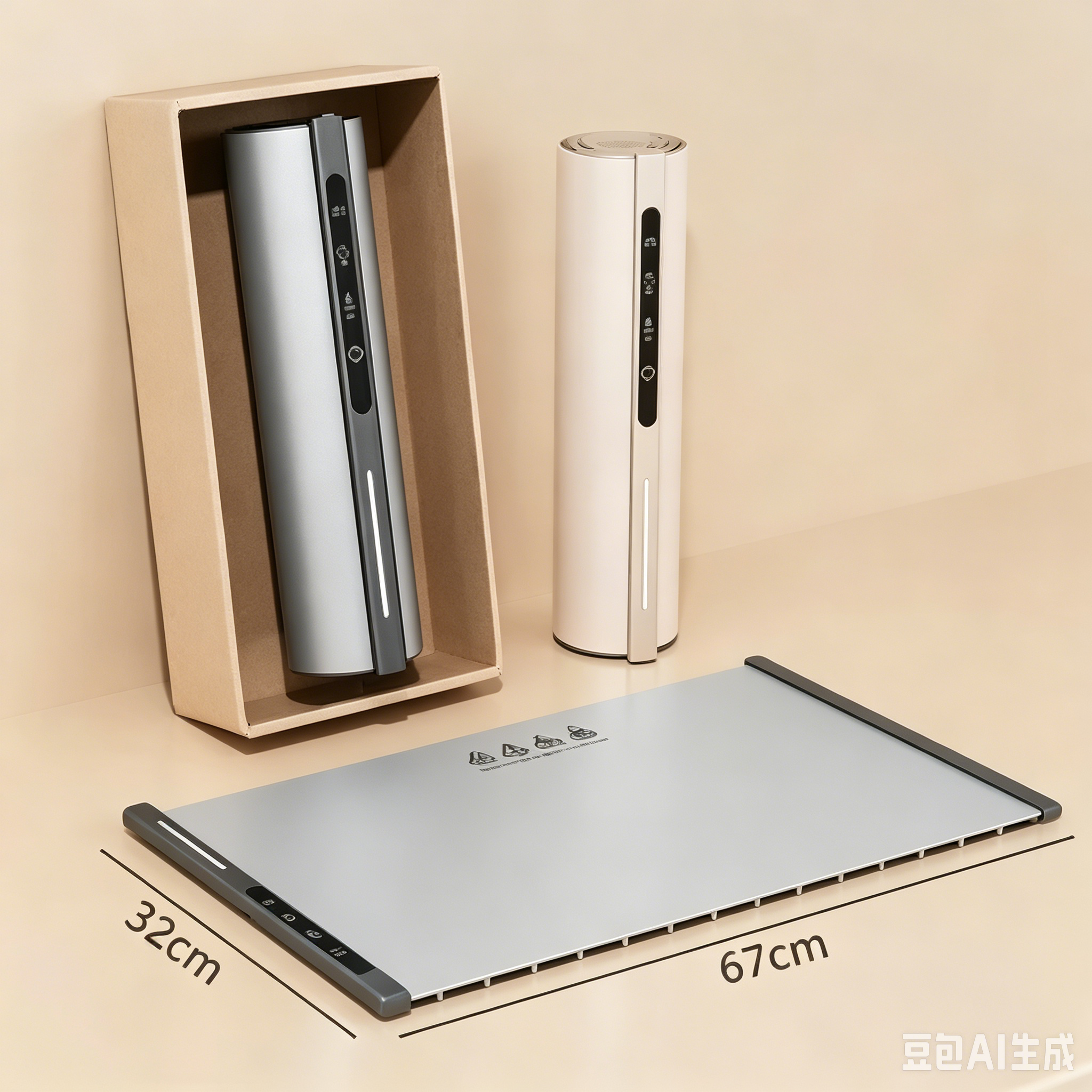
Understanding the build
Cleaning, Storage, Daily Use
A warming tray safe for babies must be as straightforward to maintain as it is to operate. Food-grade silicone is non-porous — food particles and bacteria do not penetrate the surface. After use, the TFK tray wipes clean with a damp cloth or rinses under the tap. No disassembly. No specialist products. No overnight drying.
When clean, the silicone body rolls into itself — the material is flexible by design — producing a cylinder that stores flat in a kitchen drawer. It is not left on an open shelf between uses. It is stored the same way as flatware: contained, out of view, ready.
A foldable warming tray BPA free that also folds to the depth of a drawer is not a product category that existed cleanly before. It is the category TFK is building.
Meet the TFK Signature Warming Tray
Material purity is not a premium feature. It is the specification from which a well-designed product begins. The TFK Signature Tray was built from that starting point outward.